
Why Rest Doesn’t Always Look Like Stopping

I used to think rest meant stopping — doing nothing, shutting down, checking out.
And if I’m honest, sometimes the only way I did stop was by getting sick.
This past Christmas, my body made the decision for me. I got sick enough that I had to slow down — not dramatically, not for long — but enough that I couldn’t keep pushing. There was a day or so where I couldn’t focus at all, and after that I found myself on the couch, binge-watching Homeland and letting my system settle.
What surprised me wasn’t just that I rested — it was how that rest felt.
I wasn’t numbing out.
I wasn’t dissociating.
I wasn’t “checking out” in that agitating, empty way I’ve done before.
My nervous system actually softened.
That’s when something clicked for me.
For many of us, rest isn’t about stopping everything. It’s about choosing what genuinely nourishes us instead of what helps us escape.
When rest only looks like collapse, it often means we’ve waited too long. We’ve pushed past our signals, overridden our needs, and relied on adrenaline to keep us going. When the body finally insists on stopping, it can feel dramatic — or even scary.
But real rest doesn’t always look like stillness.
Sometimes it looks like:
-
movement without pressure
-
creativity or quiet focus
-
connection that feels easy
-
choosing nourishment instead of numbing
I’m learning — slowly — that I don’t have to crash before I choose to slow down. That’s still a work in progress for me.
So I’ll offer you the same question I’m sitting with:
What actually helps me feel more like myself?
Not what looks restful.
Not what you think should work.
What truly settles you.
When we redefine rest this way, it becomes something we can practice — not something we have to earn.
If something here landed — there's more. Weekly stories on nervous system patterns and coming home to yourself.
Author
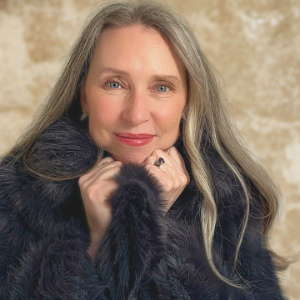
Jill Walton
Life Coach · Nervous System Specialist · Integrative Change Work Practitioner · Emotion, Body & Belief Code Certified
I've helped people shift the patterns that talk therapy alone couldn't touch. The work happens in the body — and that's exactly where I work.
