
Why I Lived in Chaos for Years (And What Finally Changed)
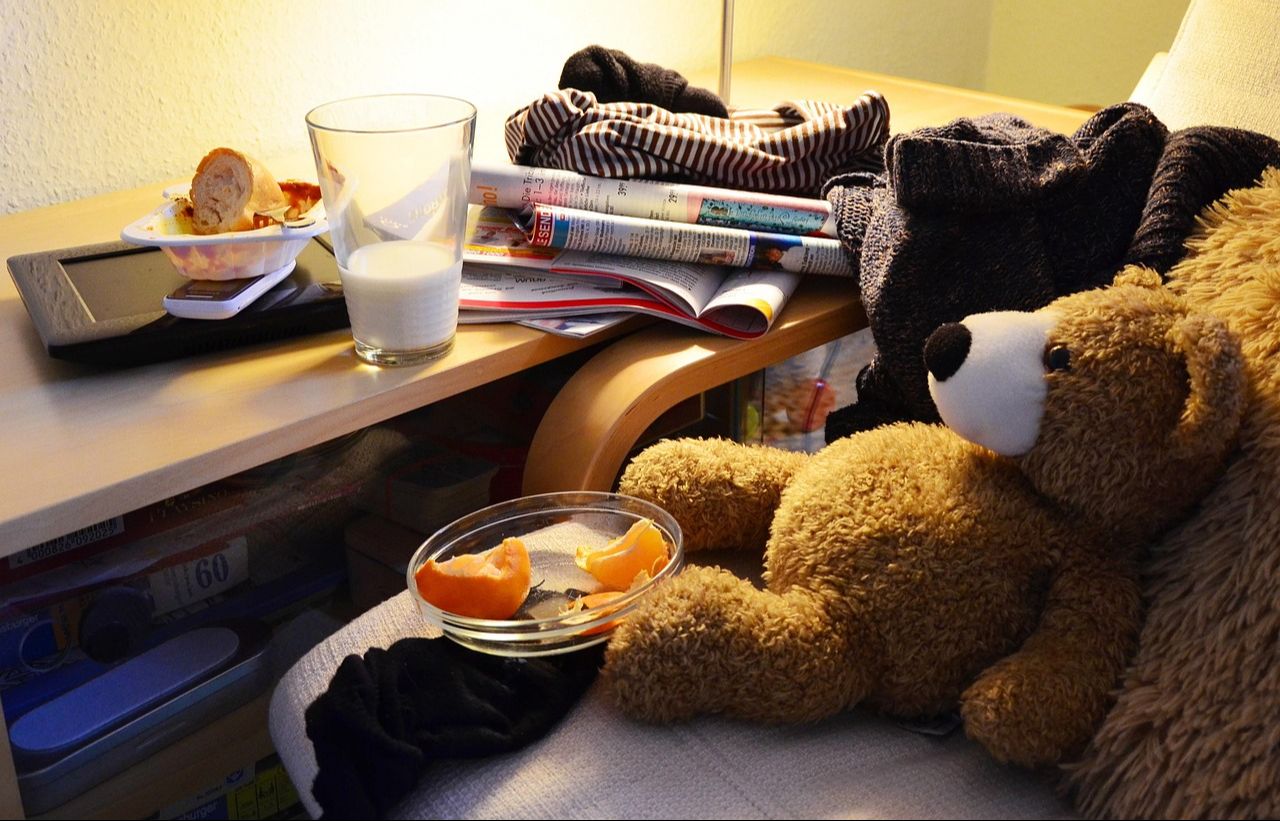
For years, my basement was in total disarray.
Not just messy. I mean disarray. Boxes piled on boxes. Things I couldn't find. Spaces I couldn't use. A constant low-grade stress every time I walked down there.
And I lived with it. For years.
Until a friend saw it and offered to help.
Even accepting the help felt excruciating. But I said yes. And then the real work began—two weeks that taught me everything about why change feels so hard.
The Three Layers of Resistance
There's a concept in behavioral psychology called the motivational triad. Your brain has three core drives designed to keep you alive:
- Avoid pain
- Conserve energy
- Seek pleasure
These drives kept our ancestors safe. But in modern life, they often keep us stuck.
Let me show you how all three showed up during those two weeks—and kept me living in chaos for years before that.
Layer One: Avoiding Pain
The first layer of discomfort? Letting my friend see the mess.
The vulnerability of being seen in my chaos. The shame of admitting I'd been living this way.
My brain wanted to protect me from that emotional discomfort. So for years, I just… avoided.
I didn't invite people over. I didn't deal with it. I kept the door closed.
Avoiding pain.
Even when the mess was causing me daily stress, my brain calculated that the emotional pain of being seen in the mess was worse than the pain of living with it.
Layer Two: Conserving Energy
The second layer? The actual work.
Many hours over two weeks. Sorting, deciding, moving, organizing.
Every time I walked down those stairs, my brain whispered: "This is too much. You can do this later. You're too tired."
So many times I wanted to give up. My brain was screaming that this level of effort was unsafe, exhausting, unsustainable.
Conserving energy.
Change requires effort. And your brain interprets effort as a threat to your survival—even when staying stuck is what's actually harming you.
Layer Three: Seeking Pleasure (By Avoiding Decisions)
The third layer—and this one surprised me—was the sheer volume of decisions.
Every item required a choice: keep, donate, trash, move. Hundreds of decisions over two weeks.
And decision-making is work for your brain.
It would have been so much easier—so much more pleasant—to just leave everything where it was. To scroll my phone instead. To do literally anything that didn't require this much mental effort.
Seeking the pleasure of no decisions over the discomfort of making hundreds of them.
Why Familiar Misery Feels Safer Than Unknown Change
Here's what kept me stuck for years:
My brain kept trying to pull me back toward the familiar mess. Because even though it made me miserable, at least it was known.
At least it didn't require:
- The vulnerability of being seen
- Hours and hours of physical effort
- Hundreds of exhausting decisions
The discomfort of staying stuck felt less risky than the discomfort of change.
That's the motivational triad at work.
What Finally Changed
I pushed through. We finished. And the end result was amazing.
But here's what matters most: it lasted.
My basement has never been that messy or disorganized again.
Because something shifted in my nervous system during those two weeks.
The discomfort of the process taught my brain a new truth: I can handle hard things. Effort is safe. Change is possible.
When you repeatedly choose aligned action over avoidance—even when it's uncomfortable—your brain starts to learn:
- Vulnerability is safe
- Effort is safe
- Making decisions is safe
- Change is safe
The resistance doesn't disappear. But it stops running the show.
The Pattern Is Everywhere
Once I understood this, I started seeing it everywhere.
The difficult conversation I kept avoiding? My brain protecting me from emotional pain.
The project I kept postponing? My brain conserving energy.
The endless research instead of action? My brain seeking the pleasure of learning over the discomfort of doing.
Not because I was lazy. Because my brain was doing exactly what it was designed to do: keep me comfortable.
The problem is, comfortable doesn't always mean happy. Or fulfilled. Or growing.
What This Means for You
What are you tolerating because change feels harder than staying stuck?
What mess—literal or metaphorical—are you living with because your brain has calculated that the discomfort of dealing with it is worse than the discomfort of living with it?
Here's the truth: your brain is wrong.
The temporary discomfort of change is almost always less painful than the chronic discomfort of staying stuck.
You just have to be willing to feel it.
Your Move
Think about one area of your life where you're choosing familiar misery over unknown change.
What would become possible if you pushed through the discomfort—the vulnerability, the effort, the decisions—for just two weeks?
Pick one thing. Start small.
And teach your brain that change is safe.
Want support as you work through your own resistance? Book your spot, grab a package, or let's just talk for 20 minutes—on me. Schedule here
If something here landed — there's more. Weekly stories on nervous system patterns and coming home to yourself.
Author

Jill Walton
Life Coach · Nervous System Specialist · Integrative Change Work Practitioner · Emotion, Body & Belief Code Certified
I've helped people shift the patterns that talk therapy alone couldn't touch. The work happens in the body — and that's exactly where I work.
